Rite Solution is a leading name of Marine Anchor Manufacturers, we offer ship anchors to shipping companies, and individuals master everything related to the anchor in ship operations. Whether you are a marine enthusiast, a student of nautical sciences, or a professional sailor, understanding the types of anchor used on ships is essential. Anchors are not just heavy metal objects; they are precision-engineered tools designed to hold massive vessels securely in place.
Importance of Anchor in Ship
The Anchor in ship ensures that a vessel stays in a fixed position. This prevents drifting due to wind, tides, or currents. A good anchor can mean the difference between a safe stay at sea and a dangerous drift toward shallow waters or collisions. Rite Solution understands the importance of safe anchoring and offers complete solutions for shipping operators who want to improve their anchoring operations.
Different Types of Anchor in Ship
There are different types of anchor designed for different seabeds, ship sizes, and operational needs. Let’s go through the most common ones:
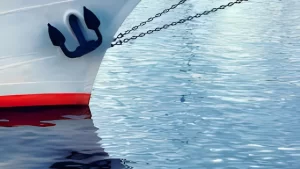
- Stockless Anchor: The stockless anchor is the most common type of anchor used in modern ships. Its simple design allows it to be stored easily in the hose pipe, making it practical for commercial shipping. It performs well in most seabed conditions like mud, sand, and clay.
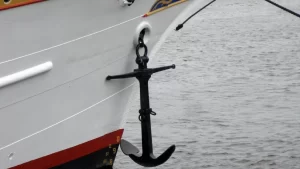
- Stock Anchor (Admiralty Pattern): This is the traditional anchor in ship design, often recognized by its cross-shaped stock at the top. While it is less common today, it offers a very strong holding power.
- Danforth Anchor (Fluke Anchor): One of the most popular types of anchor for smaller vessels and yachts, the Danforth anchor has wide flukes that dig into sand and mud easily, giving excellent holding power. Rite Solution offer consultation to yacht owners and small vessel operators on the best type of anchor based on their routes and anchorage preferences.
- CQR (Plough) Anchor: This anchor is shaped like a plough, allowing it to dig deep into the seabed. Its design gives it great holding strength, even in changing wind or current conditions.
- Mushroom Anchor: Shaped like an inverted mushroom, this anchor is commonly used for permanent moorings because it buries itself over time and creates suction.
- Kedge Anchor: This is a lightweight anchor used for positioning or moving the ship slightly by pulling on the anchor chain.
Also Read: What is Automated Guided Vehicle ?
Using Different Types of Anchor
- Inspect regularly: Check for cracks, corrosion, or wear.
- Know your seabed: Match the type of anchor to the seabed for maximum holding power.
- Pay out enough chain: Ensure at least 5 to 7 times the depth of water for proper holding.
- Monitor the ship’s position: Use GPS or radar to confirm the anchor is holding.
Choosing the Right Type of Anchor
Selecting the right type of anchor depends on various factors, including the seabed type, the size of the ship, and the weather conditions. Using the wrong anchor can lead to dragging, damage, or even grounding. Rite Solution is dedicated to offer expert advice to help ship operators choose the most suitable anchor for their operations.
Anchors are not a one-size-fits-all solution. There are different types of anchor for different situations, and knowing the right types of anchor in ship is essential for safety and efficiency. From stockless anchors to Danforth, plough, and mushroom anchors, each serves a unique purpose. Rite Solution is here to guide you through these choices. We offer actionable insights, training, and professional support so that you can select and use the right anchor with confidence. After all, a well-anchored ship is a safe ship , and safety at sea is always the top priority.